
Multi-Generational Living: Welcoming Parents or Adult Children Home

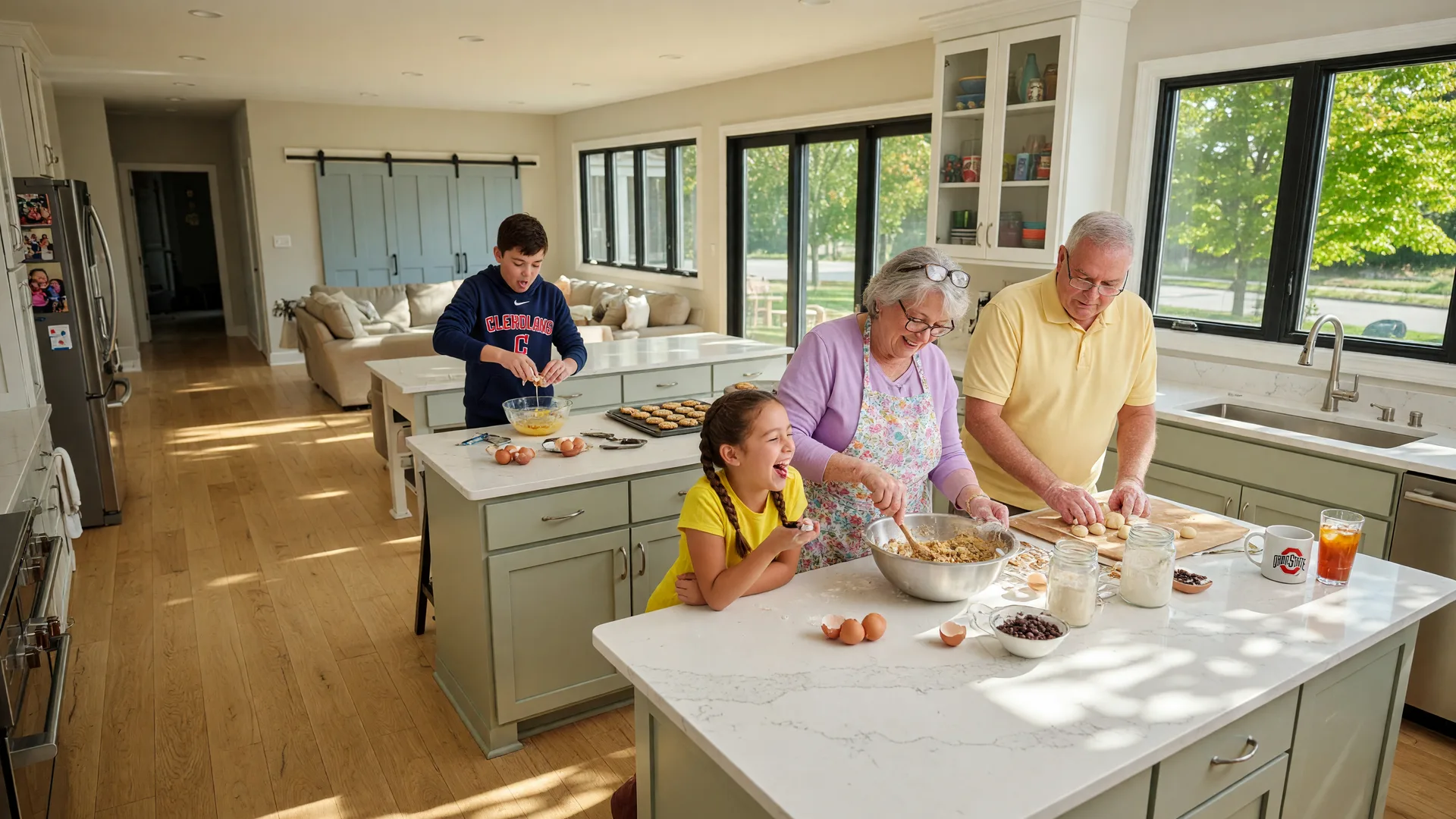
More households in Northeast Ohio are choosing to live together under one roof than at any point in recent memory. Whether it is aging parents moving in, adult children boomeranging back home, or extended family choosing to pool resources, multi-generational living is no longer a temporary arrangement. For many, it is a deliberate lifestyle choice.
The key to making it work is finding a home with enough space and separation for everyone to thrive. Here is what I have learned from helping households across Medina County and Southwest Cuyahoga County create homes that work for every generation.
Why Households of All Types Are Choosing This Path
The reasons are as varied as the people themselves. I see three big drivers:
Caregiving for aging parents. When a parent can no longer live independently, moving them in is often a better option than assisted living, both emotionally and financially. But it requires a home that can accommodate their needs, including a first-floor bedroom, step-free entry, and enough privacy for both generations to feel comfortable.
Adult children returning home. Whether it is post-college transitions, saving for a down payment, or navigating a divorce or job loss, having an adult child move back is increasingly common. A separate entrance, a basement apartment, or a finished space with its own bathroom makes the arrangement sustainable for everyone.
Pooling resources in a high-cost world. With home prices and rents where they are, combining households can make financial sense. One mortgage, one set of utilities, shared childcare, and shared home maintenance can free up money for other priorities, from college savings to travel.
What to Look for in a Multi-Generational Home
Not every floor plan works for multiple generations. Here are the features that make the biggest difference:
- A separate suite or in-law apartment. A bedroom with a private bathroom and a small kitchenette or kitchen gives family members their own space. Walk-out basements are ideal for this, and many homes in Brunswick, Medina, and Strongsville have them.
- Two primary suites. Two master bedrooms, ideally on different floors, provide privacy for both the primary homeowners and the extended family member. This is becoming more common in newer construction.
- First-floor living options. If an aging parent is moving in, a bedroom, full bathroom, and laundry on the main level are non-negotiable. Ranch homes or homes with first-floor primary suites are worth prioritizing.
- Separate entrances. A side door, basement walk-out, or garage entrance that does not require walking through the main living area gives everyone independence.
- Generous common space. A large kitchen, a family room that can handle a full household, and a dining area that seats everyone make daily life feel connected rather than cramped.
- Extra parking. Three or more cars are common in multi-generational homes. A two-car garage plus a long driveway or off-street parking makes a big difference.
Communities That Work Well for Multi-Generational Living
In our area, certain communities are especially well-suited for people looking to live together:
Brunswick has a wide range of split-level and two-story homes with finished basements that can be converted into living spaces. Many neighborhoods have sidewalks and parks, making them walkable for grandparents and grandchildren alike.
Medina offers newer construction with flexible floor plans, including homes with guest suites above the garage or in-law quarters. The historic charm of Medina's square is also a draw for grandparents who enjoy walking to coffee shops and the library.
Strongsville and North Royalton have excellent schools and large homes on decent lots, making them popular with people who want space for everyone. Homes with finished walk-out basements are common here.
Broadview Heights and Brecksville offer larger properties where an addition or accessory dwelling unit may be feasible, giving you the option to create a custom living space for extended family.
Making It Work Financially
One of the biggest advantages of multi-generational living is the financial upside. If an adult child contributes rent, that income can help you qualify for a larger mortgage or cover the additional utility costs. If you are caring for an aging parent, you may be eligible for tax credits or deductions related to dependent care.
On the flip side, a multi-generational home often costs more upfront. You are looking for more square footage, more bathrooms, and features like a basement apartment or in-law suite that can command a premium. The key is to weigh the higher purchase price against the long-term savings of sharing expenses.
The Heart of It All
At the end of the day, multi-generational living is about more than square footage and floor plans. It is about Sunday dinners with everyone around the table. It is about grandparents reading bedtime stories while you finish the dishes. It is about having built-in support, built-in babysitters, and built-in connection.
That kind of life requires a home that can hold it all. If you are exploring whether multi-generational living is right for your family, I would love to help you find the space that makes it possible. Whether you need a finished basement apartment, a first-floor suite for Mom and Dad, or enough bedrooms for everyone. I've got you.